Ticino – is the southernmost canton of Switzerland, located on the border with Italy. It is the only canton in Switzerland where Italian is the official language, so you will hear Italian, see Italian place names, and notice a distinctly Italian atmosphere in the towns and villages. At the same time, Ticino is very much part of Switzerland, with its efficient public transport, infrastructure, funiculars, and cable cars.
The canton is known for its lakes, mountains, small stone villages, waterfalls, and incredibly clear mountain rivers. In summer, Ticino becomes especially popular with people from the German-speaking part of Switzerland, particularly around Locarno and Ascona.
Lugano – must visit
Lugano is one of the main cities of Ticino, located on the shores of Lake Lugano. The city center is easy to explore on foot, with the lakeside promenade, Piazza della Riforma, the old town, cafés, and restaurants overlooking the lake.
One of the best viewpoints is Monte San Salvatore. The lower funicular station is in Paradiso, which you can easily reach by train from Lugano. From Lugano-Paradiso station, it is only a few minutes’ walk to the funicular. The ride to the top takes around 10 minutes.
Another option is Monte Brè. You can take a bus from Lugano to the lower station and then continue by funicular. At the top, there are viewpoints, restaurants, and hiking trails.
Lugano is therefore a great place to combine a city walk with a trip into the mountains.
Locarno
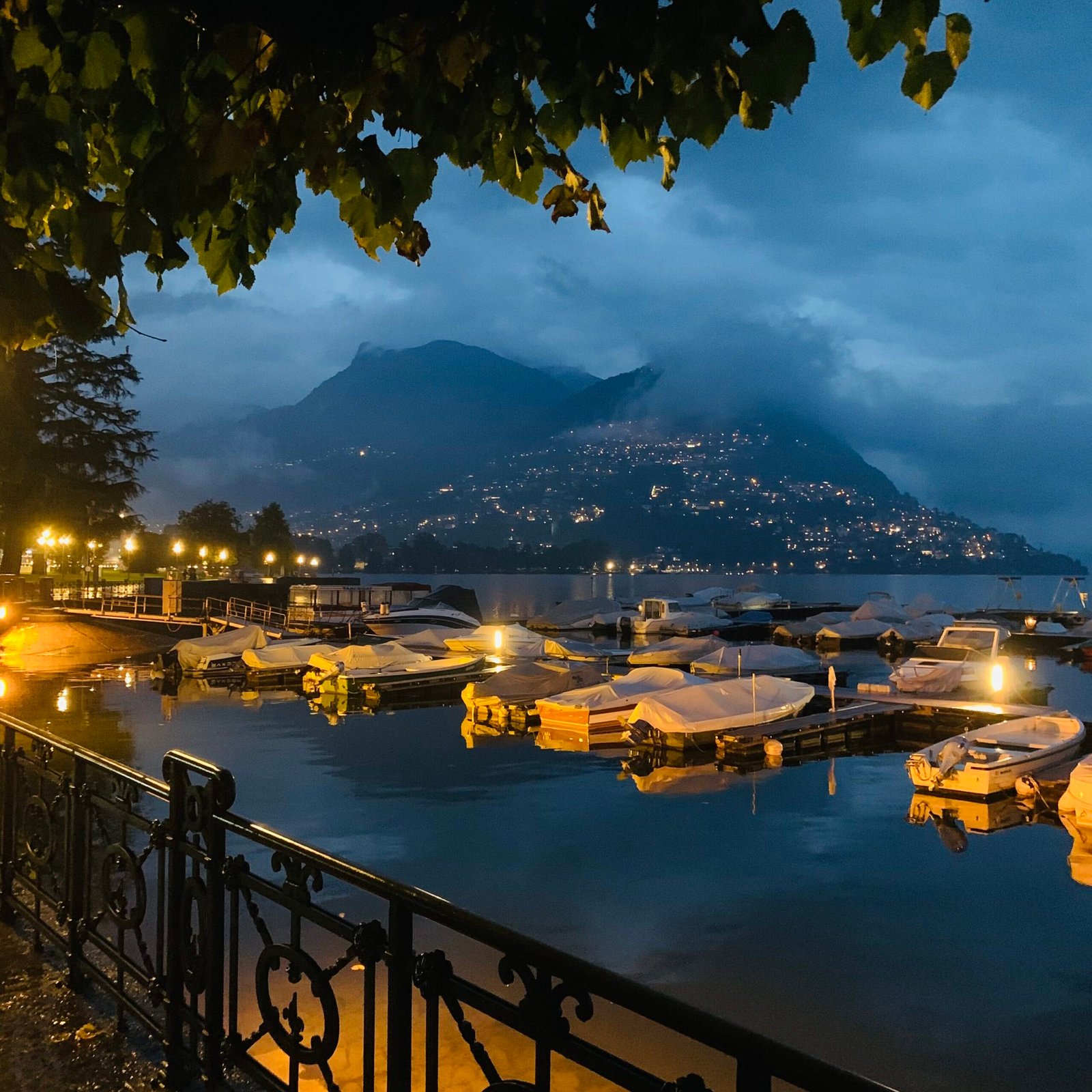
Locarno is located on the northern shore of Lake Maggiore. The city center revolves around Piazza Grande, a beautiful square surrounded by restaurants, cafés, and historic buildings.
Locarno is particularly lively during the summer because of its major events. Moon&Stars is a large music festival held on Piazza Grande, while in August the city hosts the Locarno Film Festival, with film screenings taking place outdoors on the square. There are also festive events during the winter, so Locarno is worth visiting outside the summer season as well.
From the city center, you can walk down to the lake and continue towards Muralto.
Locarno is also one of the easiest starting points for Cardada, so the two can easily be combined in one day.
Ascona
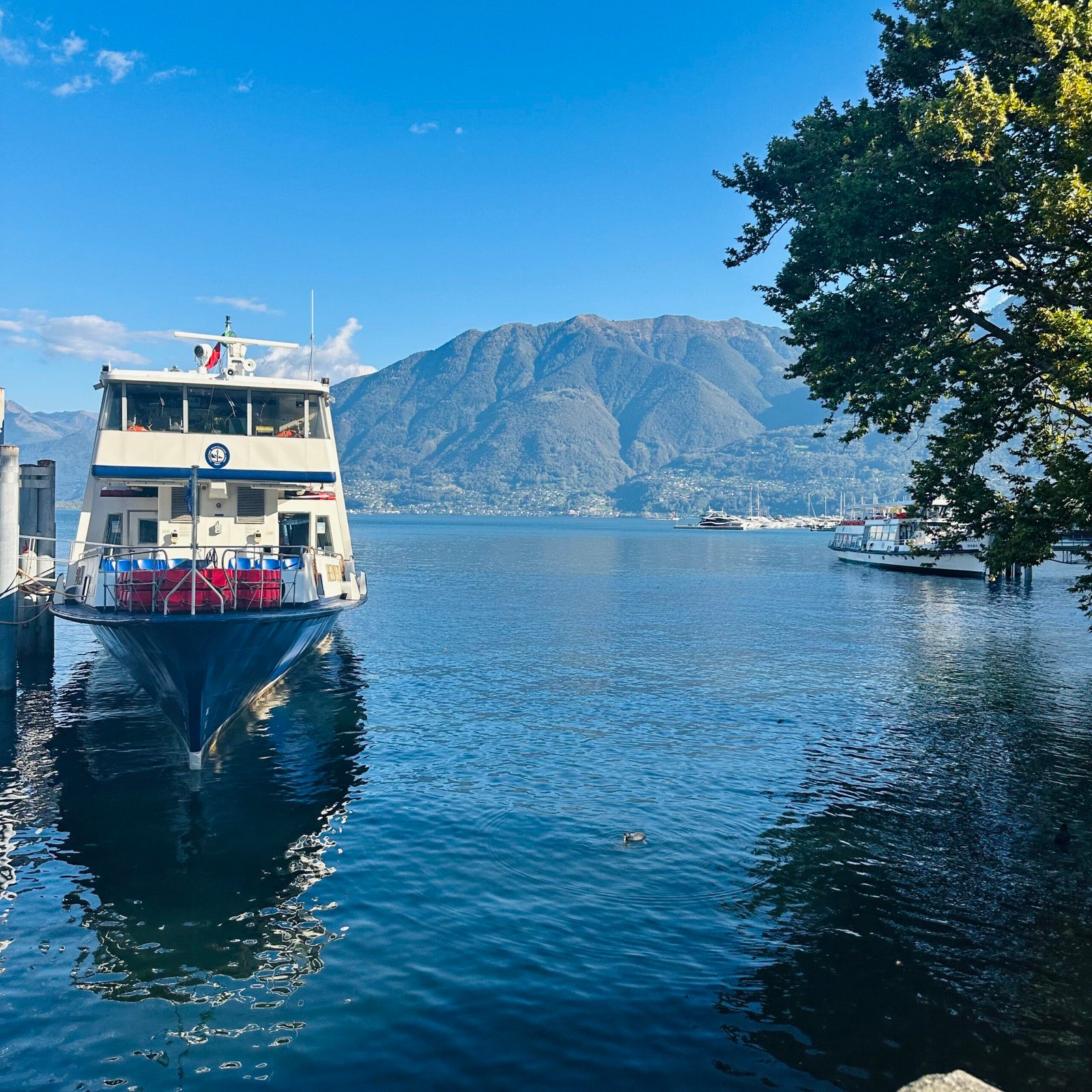
Ascona is located close to Locarno, also on the shores of Lake Maggiore.
The main part of the town is the Lungolago, the lakeside promenade lined with restaurants, cafés, and terraces overlooking the water.
Ascona becomes especially busy in summer. Many Swiss people from the German-speaking part of the country come here for weekends and holidays to enjoy the lake, the warmer weather, and the relaxed atmosphere.
At the end of June and beginning of July, Ascona hosts JazzAscona, a well-known jazz festival inspired by the music and atmosphere of New Orleans. During the festival, concerts and jam sessions take place along the waterfront and in different locations around the town.
Locarno and Ascona are easy to visit together. You can travel between them by bus, car, or even walk if you want a longer lakeside route.
Cardada
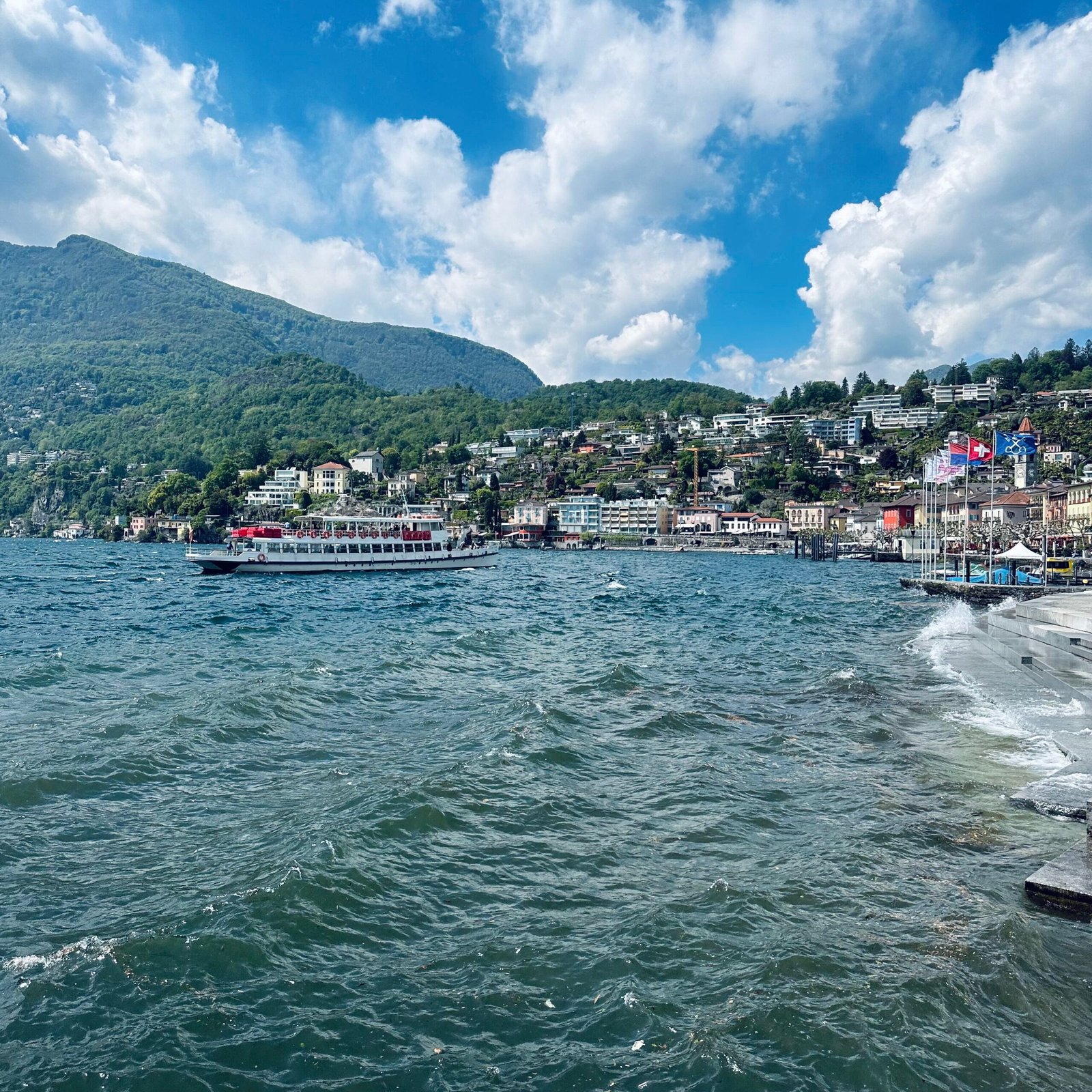
Cardada is located above Locarno and is one of the easiest mountain destinations to reach without a car.
To get there, take the funicular from Locarno to Orselina. From Orselina, continue by cable car to Cardada. If you want to go higher, you can take another lift from Cardada towards Cimetta.
The cable car ride from Orselina to Cardada takes around five minutes. From Cardada, you get beautiful views over Locarno, Lake Maggiore, and the surrounding mountains.
You can simply enjoy the panoramic views and walk around Cardada, or continue towards Cimetta for a higher mountain experience.
How to get there:
Locarno → funicular → Orselina → cable car → Cardada → optional chairlift → Cimetta.
Valle Verzasca
Valle Verzasca is one of the most famous valleys in Ticino. Its main attraction is the Verzasca River, known for its incredibly clear turquoise-green water flowing between huge granite rocks.
In summer, people come here to swim, sunbathe, and spend the day by the river. The water is very cold even on hot days, and some areas have strong currents, so it is important to be careful.
The valley can be explored by car or public transport. If you want to visit several different places in one day, having a car makes the route much easier.
Ponte dei Salti
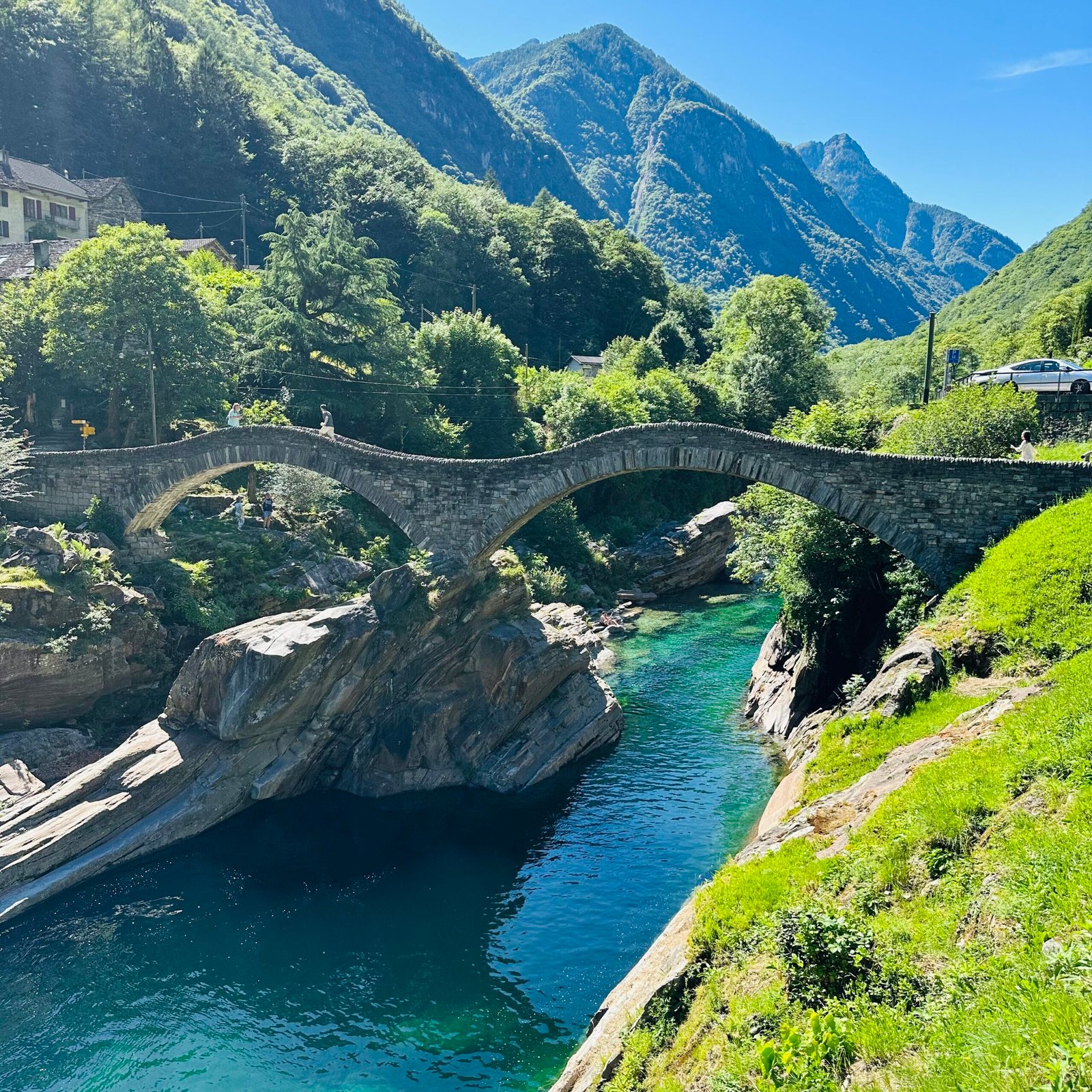
Ponte dei Salti is located in the village of Lavertezzo and is one of the most photographed places in Valle Verzasca.
The old stone bridge with its two arches crosses the river. Below it are natural pools where people swim and relax on the rocks during the summer.
It can get quite busy in high season, so arriving in the morning is a good idea if you prefer a quieter atmosphere.
Verzasca Dam
Another famous place in the valley is Contra Dam, also known as Verzasca Dam.
The dam is around 220 meters high and became famous thanks to the James Bond film GoldenEye. This is where the famous bungee-jump scene was filmed.
Today, visitors come not only to see the dam itself but also to experience bungee jumping.
Even if you do not plan to jump, the dam is worth a stop because of its impressive scale and the views over the valley.
Ponte Tibetano Carasc
Ponte Tibetano Carasc is a great option if you want to combine sightseeing with a proper mountain hike.
The suspension bridge is 270 meters long and crosses the valley around 130 meters above the ground.
To reach it, you can take the cable car from Monte Carasso and then continue on foot. After the cable car, we recommend continuing along the hiking trail to the bridge.
The hike takes approximately 1–2 hours, depending on your pace and how often you stop. It is worth allowing several hours for the whole experience rather than rushing it.
I have done this route myself, so this is one of the places where personal experience makes a big difference — especially when describing how long the hike actually took and how difficult the trail felt. (for me it looks around 1 hour)
The bridge itself is only one part of the experience. The hike through the mountains is what makes this route worth doing.
How to get there: Monte Carasso → cable car → hiking → Ponte Tibetano Carasc.
Monte Tamaro
It’s a mountain destination near Rivera where you can easily spend several hours or a full day.
A cable car takes you from Rivera up to Alpe Foppa, where you get panoramic views over the lakes and surrounding mountains.
There are hiking trails, a restaurant, an Adventure Park, an alpine coaster, and other activities.
If you simply want to walk and enjoy the views, there are several mountain trails. If you want something more active, you can add the Adventure Park or other attractions.
How to get to Monte Tamaro
You can take a train to Rivera-Bironico and continue to the lower station of the Monte Tamaro cable car.
From there, the cable car takes you up to Alpe Foppa.
Monte Tamaro prices
For the 2026 season, an adult one-way cable car ticket costs CHF 26, while a return ticket costs CHF 34. Holders of a Half Fare Card or GA receive a 50% discount.
There are also combination tickets if you want to include the Adventure Park.
Monte San Salvatore
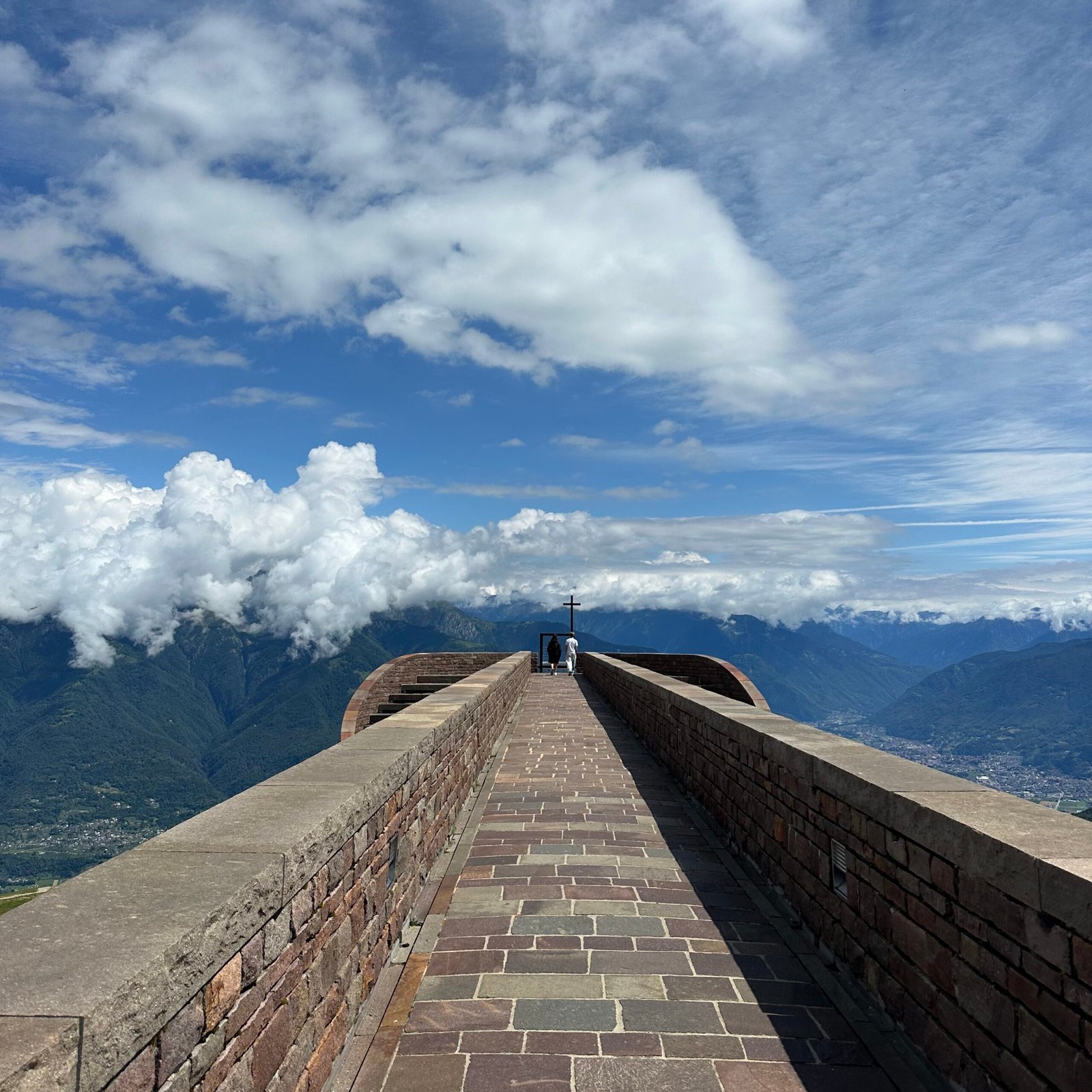
Monte San Salvatore is one of the best-known viewpoints above Lugano.
The lower funicular station is in Paradiso, which is easy to reach by train from Lugano.
From Lugano-Paradiso station, it is only a few minutes’ walk to the funicular.
The funicular takes around 10 minutes to reach the summit.
From the top, you can see Lake Lugano, the city, and the surrounding mountains.
You can simply take the funicular up, enjoy the views, and return the same way, or combine the trip with a hike and walk back down.
Morcote
Morcote is a small town on the shores of Lake Lugano, around half an hour from Lugano by car.
The old town is made up of narrow streets, arches, stairways, and historic buildings.
This is a place to simply walk around without a strict plan. From the lakeside, you can climb higher into the old town, where you get beautiful views over the lake.
Morcote can easily be combined with Lugano and Monte San Salvatore in one day.
Valle Maggia
Valle Maggia is one of the most beautiful valleys in Ticino and a place where you can easily spend a few days rather than just a couple of hours.
The valley follows the Maggia River, with crystal-clear water, granite rocks, natural swimming spots, waterfalls, hiking trails, small stone villages, and mountain landscapes.
In summer, Valle Maggia is especially popular with people who want to spend time outdoors. You can swim in the river, go hiking, have a picnic, stay at a campsite, or simply find a quiet spot by the water and enjoy the mountains.
Natural swimming spots
One of the best things about Valle Maggia is that you do not need to look for a traditional beach. Along the river, you will find many natural swimming spots where you can lie on the rocks, jump into the clear water, and spend a hot summer day surrounded by mountains.
Some of the places worth checking out are Ponte Brolla, Tegna, and other spots along the Maggia River.
The water is incredibly clear but also very cold, even in summer. Some sections of the river can have strong currents, so always check the conditions before swimming.
Ponte Brolla
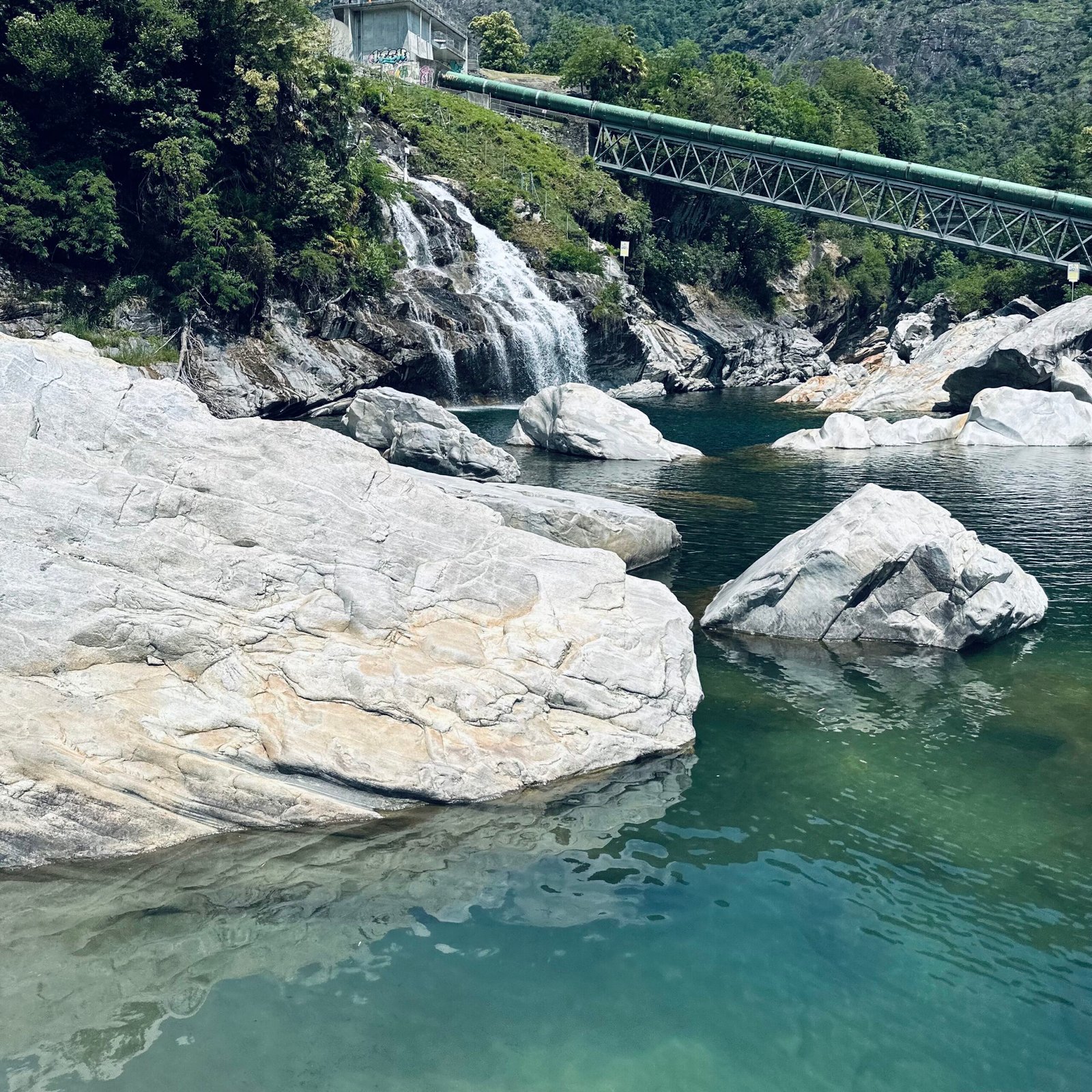
Ponte Brolla is one of the most popular places for swimming in the area.
Here, the Maggia River flows between impressive granite rocks, creating natural pools and beautiful places to sit by the water.
It is an easy place to reach and a good option if you only have a few hours and want to combine nature with a relaxing summer day.
Tegna
Tegna is another popular place along the Maggia River.
Compared with some of the rocky swimming spots, Tegna has areas that feel more like a traditional river beach, with space to lie down and relax.
It is a good choice if you are travelling with friends or family and want to spend several hours by the river.
By the way, if you’re looking for the best places to cool off in summer, check out my guide to Discover the Best Swimming Spot in Ticino, Switzerland, where I share my favorite spots for a refreshing swim surrounded by Ticino’s beautiful nature.
Waterfalls and Foroglio
One of the places I would definitely recommend adding to your itinerary is Foroglio.
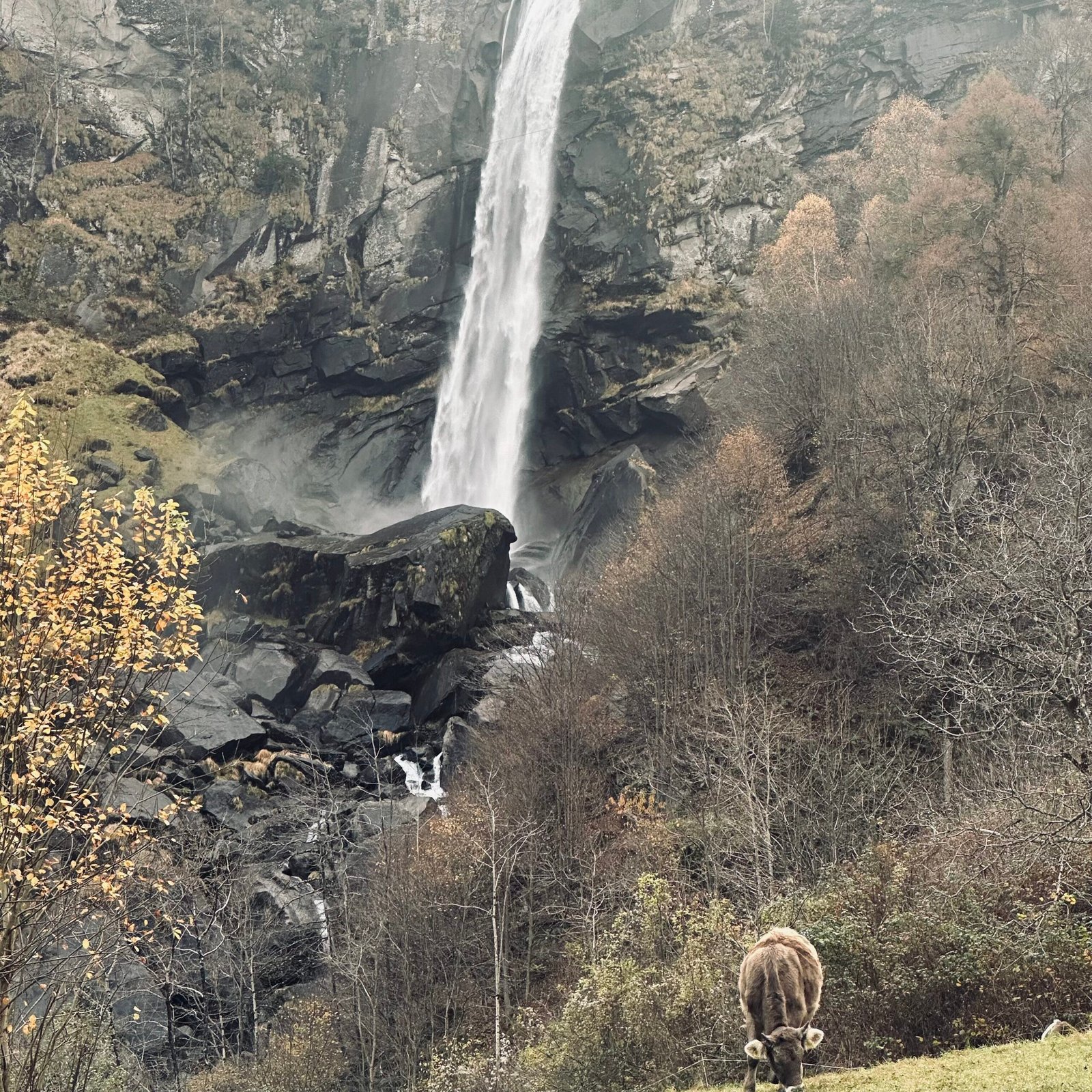
This small stone village is located deeper in the valley and is famous for its spectacular waterfall, which drops down the rocks directly beside the village.
The waterfall is especially impressive after rain or in spring when there is more water coming down from the mountains.
Foroglio is also a starting point for hiking routes through the surrounding mountains, so you can combine the waterfall with a hike rather than simply stopping for a photo.
Hiking in Valle Maggia
If you enjoy hiking, Valle Maggia has plenty of trails ranging from easy walks through the villages and along the river to longer mountain hikes.
One of the best things about hiking here is the scenery. You walk between stone houses, forests, mountain streams, waterfalls, and traditional villages, with the mountains surrounding you.
You do not have to be an experienced hiker to enjoy the valley. There are plenty of shorter routes where you can simply walk for a few hours and return to the river afterwards.
Camping in Avegno
If you want to stay closer to nature, Avegno is a great option for camping.
The area is surrounded by mountains and is close to the Maggia River, making it a convenient base for exploring Valle Maggia.
Camping here gives you the opportunity to spend more time outdoors rather than trying to see the whole valley in one day. You can combine a morning hike with an afternoon swim in the river and explore different parts of the valley during your stay.
For me, this is one of the best ways to experience Valle Maggia — not just as a quick day trip, but by staying a little longer and enjoying the valley at a slower pace.
How to explore Valle Maggia
If you only have one day, I would choose a few places rather than trying to see the entire valley. You could start with Ponte Brolla or Tegna, continue deeper into the valley, and finish at Foroglio.
If you have more time, stay overnight in the area, for example at a campsite in Avegno, and use the valley as a base for hiking, swimming, and exploring the surrounding villages.
Valle Maggia is one of those places where the journey is just as important as the individual stops. The further you go into the valley, the more mountainous and wild the landscape becomes.
Bellinzona and the Three Castles
Bellinzona is the capital of Ticino.
The main reason to visit is its three medieval castles:
Castel Grande, Castello di Montebello, and Sasso Corbaro.
All three are part of the UNESCO World Heritage Site known as the Three Castles of Bellinzona.
Castelgrande is located directly in the city, making it the easiest one to combine with a walk through the old town.
Montebello is located slightly higher, while Sasso Corbaro sits even higher on the hillside.
If you want to see all three castles, it is worth allowing at least half a day for Bellinzona.
Other places to add to your itinerary
If you have more time, you can also add Monte Brè, Monte Generoso, Gandria, and other hiking routes around Ticino.
Even with the places listed above, you can easily spend several days in the canton and see something completely different each day: lakeside towns, mountains, funiculars and cable cars, hiking trails, waterfalls, natural swimming pools, and medieval castles.